Contactless Card Fraud Explained: Real Risks, Cloning Myths and NFC Defenses

Contactless Card Fraud Explained: Real Risks, Cloning Myths and NFC Defenses
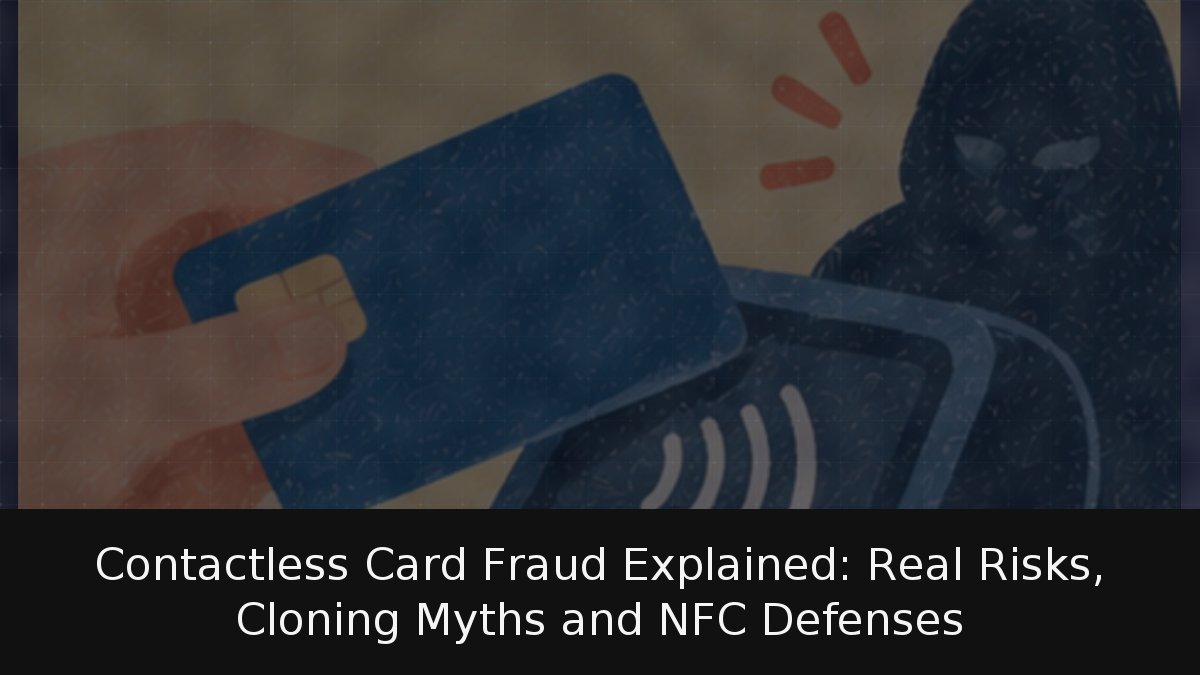
Contactless payments have become the convenient villain of card fraud: the fear is a hidden reader skimming a card through a pocket and cloning it. The evidence is more nuanced. European supervisors and researchers agree contactless has limits, but most card fraud happens elsewhere—mainly in remote payments and schemes that persuade the cardholder to act. … Read more

WHO, Pediatricians, and Spain’s Expert Committee Diverge on Kids’ Screen Time

WHO, Pediatricians, and Spain’s Expert Committee Diverge on Kids’ Screen Time

Three authorities have issued children’s screen-time guidance with different thresholds. The World Health Organization advises no screens before age 2 and at most one hour daily for ages 2 to 4. The Spanish Association of Pediatrics (AEP) goes further: avoid screens until 6, under one hour daily until 12, and under two hours after that. … Read more

Wangiri Scam: Why a Missed Foreign Call Can End Up on Your Bill

Wangiri Scam: Why a Missed Foreign Call Can End Up on Your Bill

A single ring, a hang-up and a foreign number in the call log—often +355, +225 or +234—is bait. Calling back connects you to a premium-rate line, with a cut going to the fraudster. The Guardia Civil has warned about wangiri since at least 2016; Maldita.es compiled its alerts in June 2022. The risk is billing … Read more

Inside the Wallapop and Vinted Scam Playbook: Fake Payments and Shipping Traps

Inside the Wallapop and Vinted Scam Playbook: Fake Payments and Shipping Traps

Almost every scam on Wallapop and Vinted begins with the same demand: move the conversation elsewhere. A buyer who prefers WhatsApp, a link to “receive” a payment, a courier that is supposedly cheaper than the platform’s own service. Once a user accepts, the protection that makes a marketplace safer than a classifieds board vanishes. TechNews … Read more

Stalkerware on Your Phone: Warning Signs, Checks and Safe Response

Stalkerware on Your Phone: Warning Signs, Checks and Safe Response

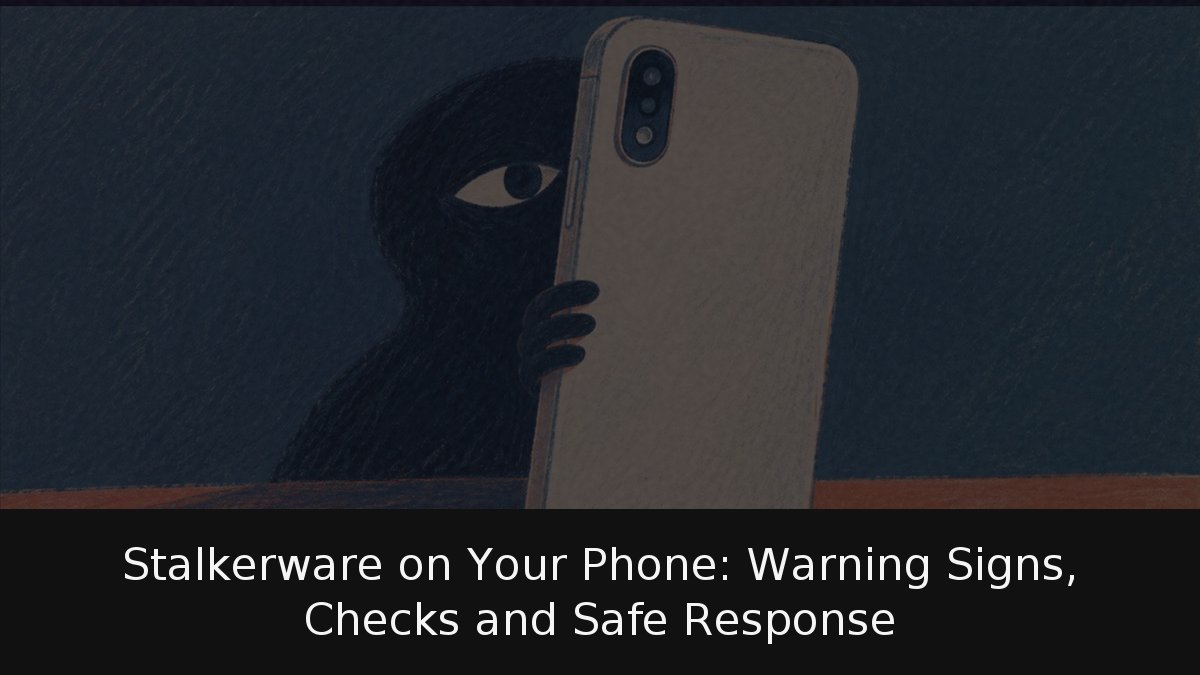
TechNews DevTop examines stalkerware: software used by someone close to the victim to monitor a phone in secret. Unlike random malware, it usually arrives through physical access and an unlocked screen. The Coalition Against Stalkerware—a domestic-violence and cybersecurity alliance founded in November 2019—warns that hasty deletion can alert the installer and intensify abuse. Safety planning … Read more

Romance Scams Are Becoming a Crypto Fraud Pipeline: Key Warning Signs

Romance Scams Are Becoming a Crypto Fraud Pipeline: Key Warning Signs

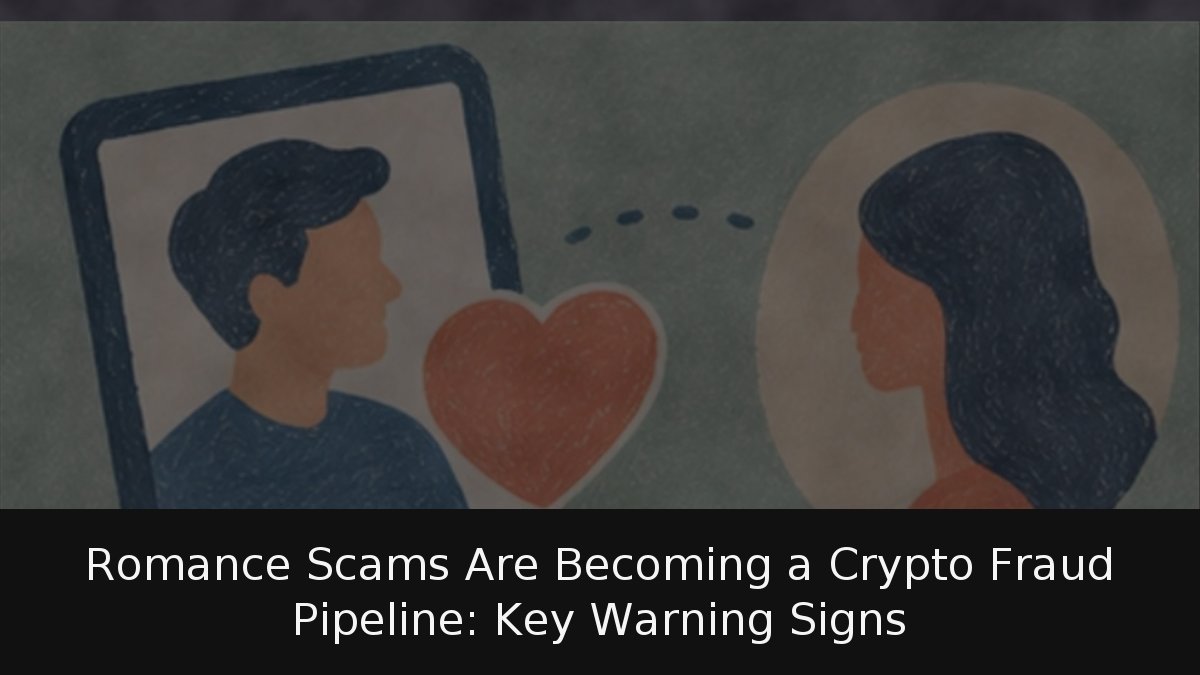
Romance fraud is rarely an improvised con. It is a repeatable playbook: build trust over weeks, then introduce money—usually as an emergency or a cryptocurrency investment. If someone you have never met in person asks for cash or pushes you toward a platform they recommend, the safest answer is a flat no. The scale is … Read more

Remote-Support Scams: How Fake Technicians Hijack Your PC

Remote-Support Scams: How Fake Technicians Hijack Your PC

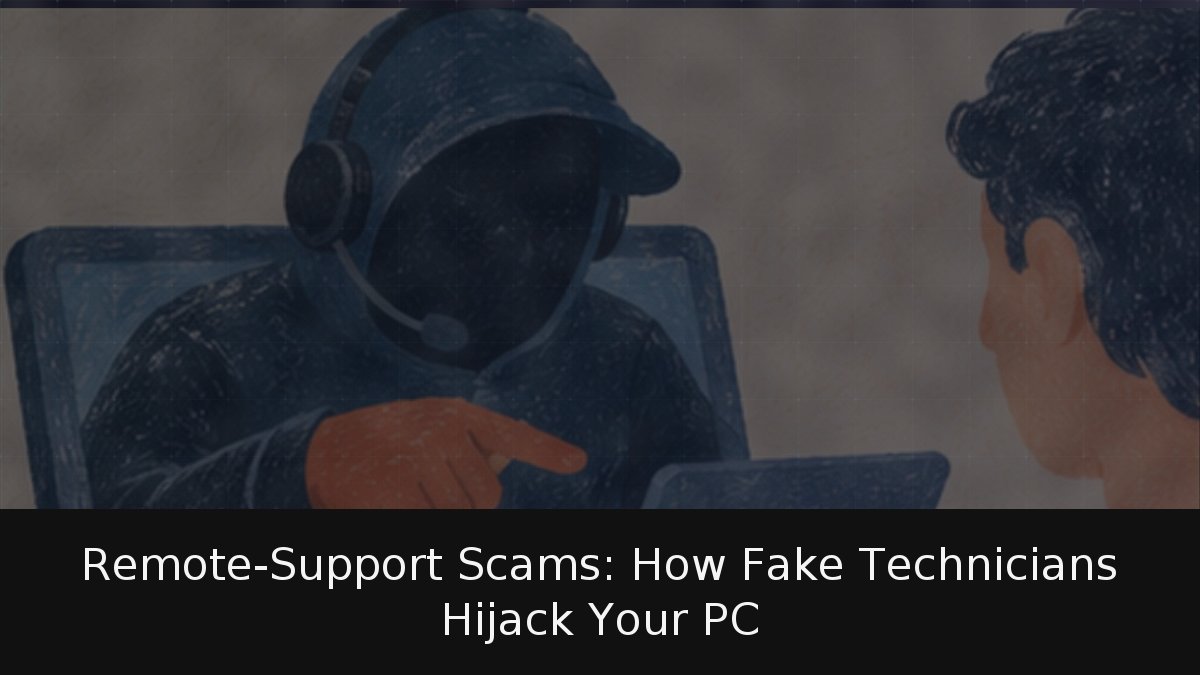
A friendly voice on the phone claims to be from Microsoft support and warns that your computer is infected. The solution, the caller insists, is to install a program so a technician can inspect it remotely. No such technician exists; the software is the doorway. The guide is for home users, especially those who help … Read more

Location Sharing With Family: What Find My, Google and WhatsApp Really Reveal

Location Sharing With Family: What Find My, Google and WhatsApp Really Reveal

Handing a relative your live position takes a couple of taps, yet the three dominant platforms do not hand over the same data — and they certainly do not switch off the same way. Whether you are following a teenager’s walk home after dark, keeping tabs on a parent hiking alone, or simply wanting to … Read more

Inside the Fake ‘Like-for-Pay’ Job Scam Spreading on WhatsApp and Telegram

Inside the Fake ‘Like-for-Pay’ Job Scam Spreading on WhatsApp and Telegram

A seemingly harmless message offering paid online tasks has become one of the fastest-growing frauds on messaging platforms. The so-called task scam — also known as the “like scam” — promises easy money for liking posts or rating products, then demands deposits that victims never recover. TechNews DevTop breaks down the playbook, warning signs and … Read more

Deepfake Investment Ads: Verify a Firm in Minutes Before You Lose Money

Deepfake Investment Ads: Verify a Firm in Minutes Before You Lose Money

A video ad showing a famous actor, singer, or public official promising quick profits from an investment platform should be treated as fraud until proven otherwise. Spain’s CNMV is blunt: using well-known figures with easy-money promises is an “unequivocal sign” of financial fraud. TechNews DevTop breaks down how the scheme works, how to verify a … Read more