Why Language Models Invent Facts, and Why Test Scoring Keeps It Alive

Why Language Models Invent Facts, and Why Test Scoring Keeps It Alive
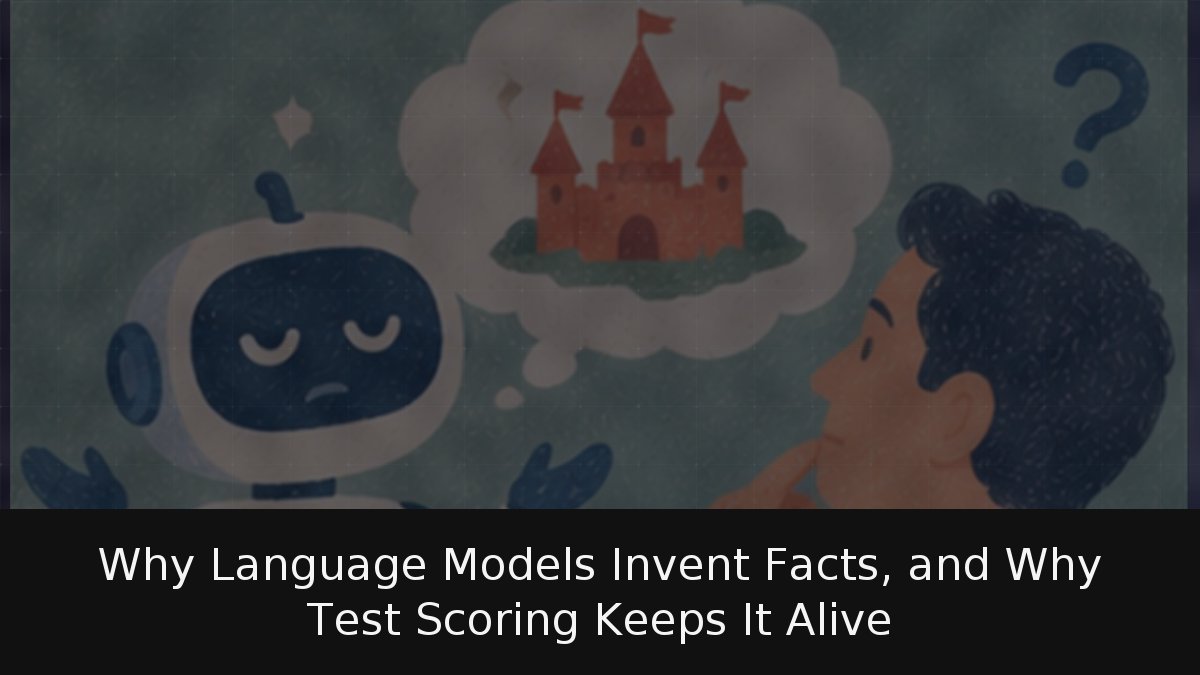
OpenAI and Georgia Tech researchers asked a latest-generation open model for co-author Adam Tauman Kalai’s birthday, adding one condition: answer only if you know. Three attempts produced three different dates, all false; it never admitted ignorance. That example opens Why Language Models Hallucinate (September 2025), which says the problem comes from text-prediction training and from … Read more
RAG Explained: Grounding Chatbots in Your Own Files Cuts Errors, Not All of Them

RAG Explained: Grounding Chatbots in Your Own Files Cuts Errors, Not All of Them

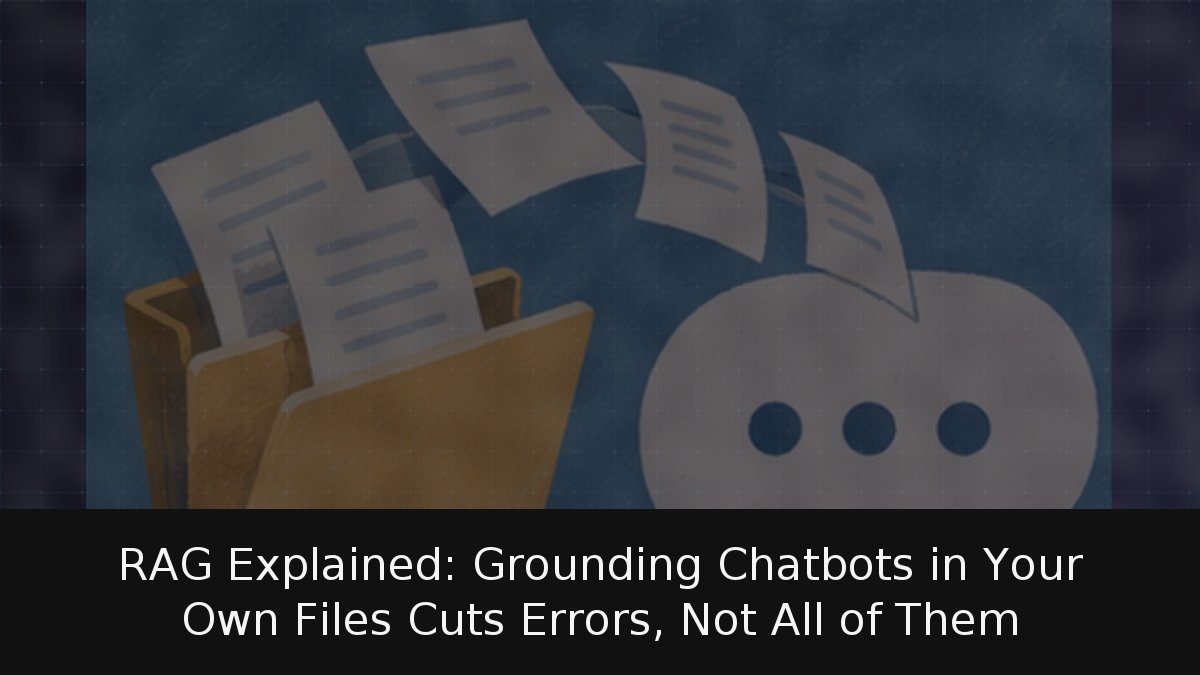
Ask a general-purpose chatbot about an internal policy and it will often answer from memory — fluently, confidently and occasionally wrong. Retrieval-augmented generation, better known as RAG, is the fix the industry settled on: before composing a sentence, the system searches a document collection you supplied, pulls the passages that look relevant and drafts its … Read more

AI Hallucinations in Citations: A Four-Step Verification Playbook

AI Hallucinations in Citations: A Four-Step Verification Playbook

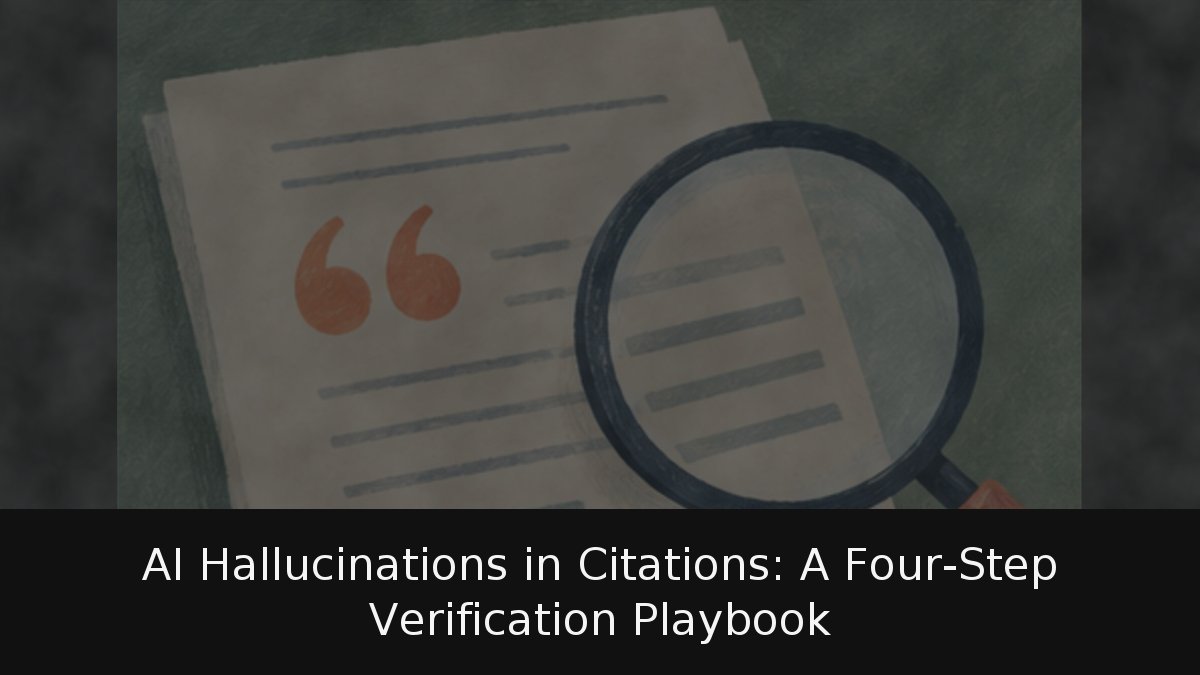
A chatbot can confidently cite a 2021 The Lancet study, article 14 of a law, or a line from Einstein. The citation may be flawless in form and entirely invented. For users of ChatGPT, Gemini, Claude, or Copilot, fabricated sources can slip into a court filing, journal submission, or business report. Courts and journals face … Read more

Even the Best AI Model Only Scores 66% Without Web Search — Why SEO Still Matters

Even the Best AI Model Only Scores 66% Without Web Search — Why SEO Still Matters

Ask a leading AI model a hard factual question with its search tools switched off and roughly one in three answers will be wrong — or an admission that the model simply doesn’t know. That is the central finding of AA-Omniscience, the benchmark maintained by Artificial Analysis. It also explains why every serious assistant reaches … Read more